This short film made with Seedance 2.0 is absolutely insane.The realism looks like a real movie — no one can…
-
The willing catalyst
On September 5th, I wrote on my French blog : “D’ici à la fin du mois il semble donc bien que les conditions d’un krach soient réunies”, meaning in proper English: It seems therefore that from now until the end of the month the conditions for a crash are being met. The risk of my being right diminishes of course by the day. What is intriguing however within the current setup is that – should it happen – a culprit would be close at hand. We’ve learned indeed from the press that the discussions yesterday in Washington were about to…
-
LA, 1999
At Latitude 33 in Laguna Beach, CA 92651, I saw this book called Exile or Exiles with writings about Los Angeles by famous people. I read the preface waiting for Brenda at the end of her shift at the bookstore. It said that intellectuals don’t choose LA: those who lived there had no such intent when they first landed there: like me, they were heading elsewhere, meant to leave soon. Then they got stranded for some reason or other, like a woman who didn’t want them back to some distant planet. It explained also that once they had seen “this”…
-
Galactic Report XYZ 00098887
Sir, I need to report to you what might be a case of acute poisoning while on mission on planet Terra. Yesterday, in the course of my duty, I happened to hold very tight for a couple of minutes a human female (from now on HF). Today, as a consequence of this I developed disturbing symptoms. Repeatedly during the day, and for no apparent reason, my train of thought was brought back to holding the HF tight. Each time the memory occurred my body was overwhelmed by a powerful feeling reminiscent of the influence of a toxic substance. The feeling…
-
Where this blog stands
Various commitments on papers commissioned in French have kept me away from this blog. Reward is another factor: with an average of around 30 daily hits on the English blog and 2500 on the French one, vanity has been a powerful drive for concentrating on the French one. Dialogue is another one. If you’ve had the opportunity of looking at the French blog you will have noticed that commentators often engage in lively conversations, with me resting comfortably in the meantime in the bleachers. Why is that so? I believe that my reputation as a writer in English is not…
-
Foresight and Despair
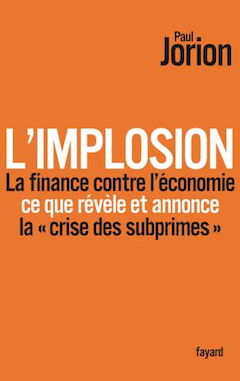
A review of my just published book L’implosion. La finance contre l’économie: ce que révèle et annonce “la crise des subprimes” by Adrien de Tricornot in Le Monde, dated June 16th (translation by Jiro Tanaka – many thanks Jiro!) Foresight and Despair (“Oracle, ô désespoir !”, pun on a famous line from Corneille’s play “Le Cid” – 1636). The author of this work, a Frenchman [truly, a Belgian] in America, has analyzed the financial crisis from a unique cultural perspective, and with a multidisciplinary approach. He is an anthropologist, a specialist in artificial intelligence, a research affiliate at UCLA, a…
-
Would an interruption of the Gulf Stream be reversible? And if so, at what cost?
I’m blessed with a very popular blog in French. One of the questions that came up lately in my dialogue with commentators is that of the reversibility of major ecological disasters induced by human activity and of the feasibility of reversing such disasters with the tools pertaining to our current technology. This is a serious question, a very serious one, and I intend to use the popularity of my (French) blog to push the issue a far as needs be. I’ve chosen one example – so that we don’t get locked in trivial generalities – that of a possible interruption…
-
The cunning of Reason
The very justification of a Human Complex System’s approach to the operation of human societies, implying a continuous explanatory spectrum from the individual (particle) to the cultural or societal levels (field), is offered by Hegel when he writes in Reason in History (*) that … human actions in history produce additional results, beyond their immediate purpose and attainment, beyond their immediate knowledge and desire. They gratify their own interests; but something more is thereby accomplished, which is latent in the action though not present in their consciousness and not included in their design. Adam Smith’s “invisible hand” at work in…
-
A population dynamics approach to the subprime crisis
One way of looking at the subprime crisis – and by this I mean only the properly real estate–based part of the unfolding drama – is in terms of population dynamics, in terms of three populations of borrowers who first entered the market and then left it in reverse order as the last to come in were also the first to leave. In order to characterize these populations I’m resorting to a classification that was introduced – although used for a different purpose – by Hyman Minsky, an American Keynesian economist who was born in 1919 and died in 1996.…
-
The Implosion, Finance vs. the Economy
My new book called “The Implosion, Finance vs. the Economy – What the subprime crisis reveals and foretells” (L’Implosion, La finance contre l’économie – Ce que révèle et annonce la crise des subprimes) will be published on May 4th. The publisher is Arthème Fayard, one of the top French publishers who will realize here a prowess in terms of speed between the reception of a finalized version of a manuscript and the printed book hitting bookstores. I’m honored that Mr. Claude Durand, head of Fayard, read in no time two versions of my manuscript. When at Editions du Seuil Mr.…
-
The reasoning artificial toddler
I was interviewed earlier today by Richard Adhikari, a journalist at TechNewsWorld, about an Artificial Intelligence project. I didn’t know anything about that project except what would be the title of the article: “AI Program Thinks Like a 4-Year-Old”. There is an excellent summary of what I had told the journalist: “I’m always suspicious of this kind of thing where they’re dealing with children,” anthropologist and sociologist Paul Jorion told TechNewsWorld. “I always have the feeling that there are some major issues they haven’t been able to solve yet.” Jorion developed ANELLA, the Associative Network with Emerging Logical and Learning…
Contact
Contact Paul JorionMost recent comments
In the age of AI, the danger is not knowing less than machines, but understanding too slowly the structure of…
Ouch! The whole of cosmology was standing on its head, and now it’s back on its feet! And everything becomes…
To expand on this reflection, I’d like to propose an image that radically inverts our usual representation of the Big…
[…] GENESIS is a machine predicting where emergence will occur and what form it will take: the form that minimises descriptive length and maximises cross?representational coherence.…
[…] 2. Pribor’s Combinatorial Magic […]
[…] that’s left to do is get on with it ? So I followed DeepSeek’s advice, as I let you…
Well! It is comments such as yours that make the trip … worthy of the trouble! 😀
When I saw your work on P vs NP, I knew you were on to something profound. I couldn’t have…
Admittedly, I was a little thrown off by the direction this took. From my perspective, you (1) identified the major…
Most recent posts
- “Rethinking Intelligence in the Age of Artificial Minds. A Plea for a Human-AI Covenant”
- For Geeks only: A Day in the Life…
- Why I wrote Rethinking Intelligence in the Age of Artificial Minds – A Plea for a Human–AI Covenant
- Understanding Faster Beats Knowing More in AI Age – Paul Jorion
- AIs and humans: a question of future mutual benevolence
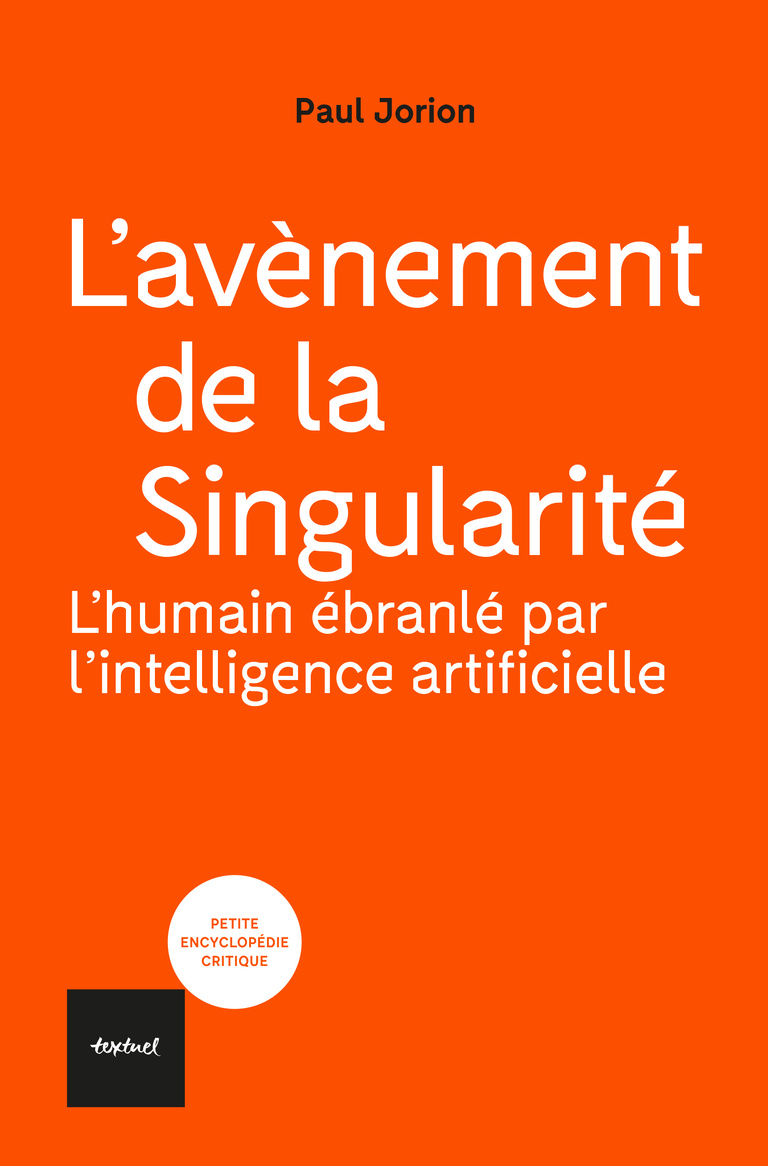
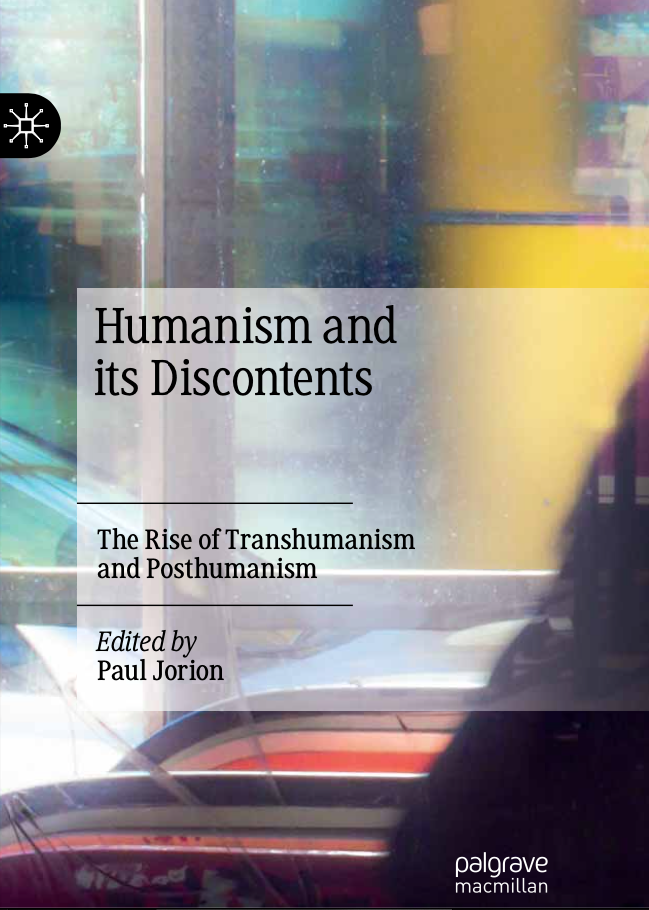
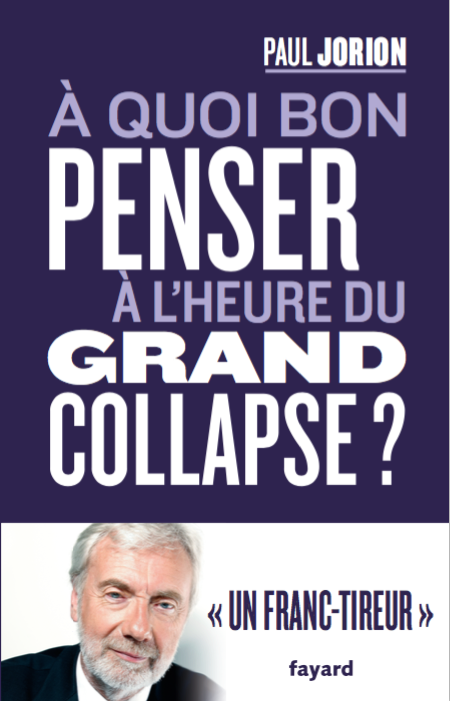
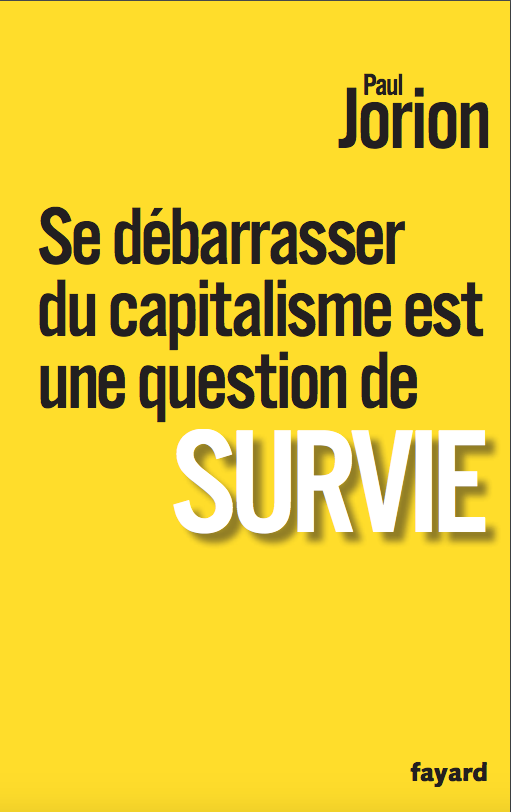
My books







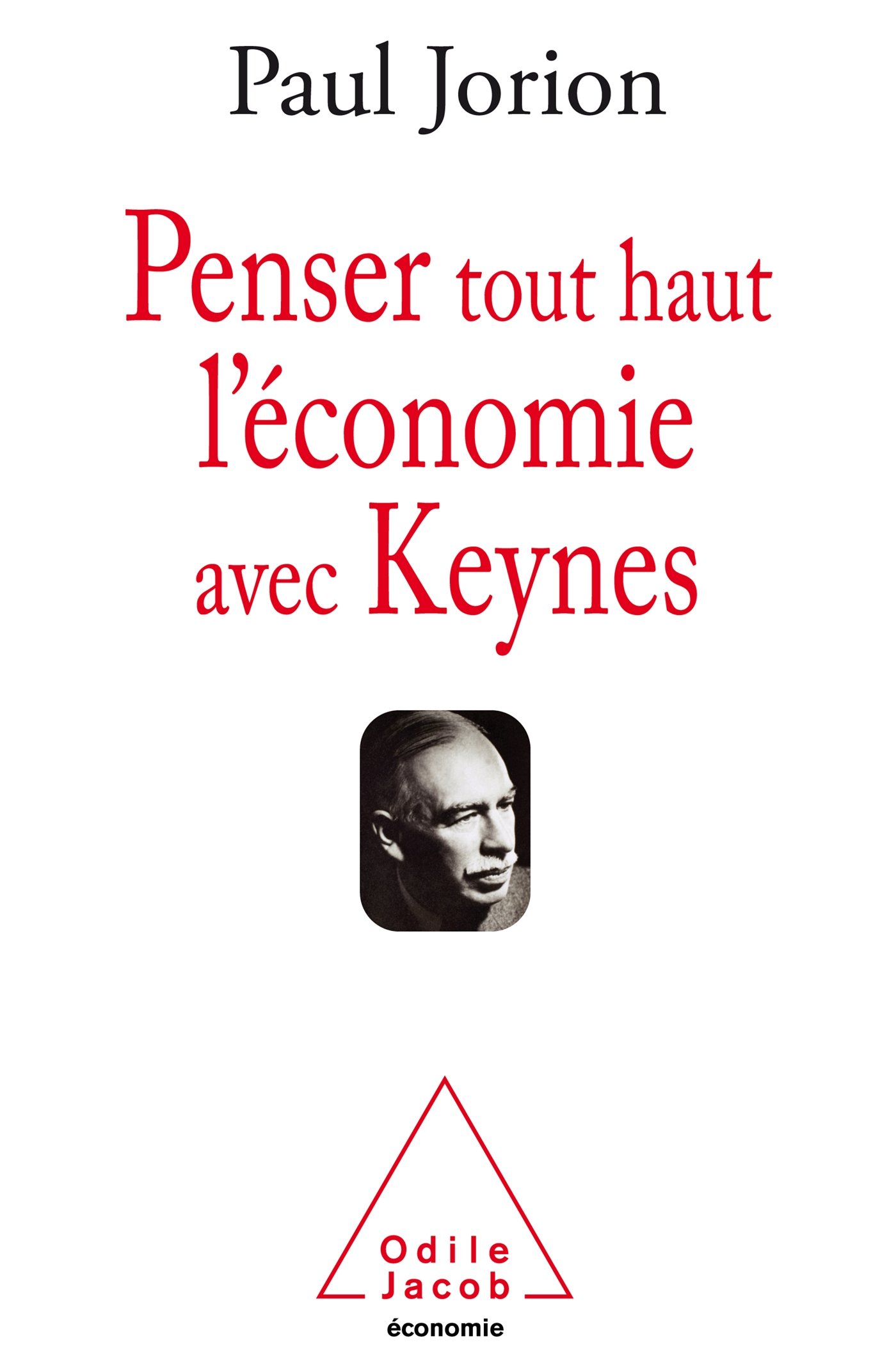











Topics
- "Rethinking Intelligence in the Age of Artificial Minds"
- "Who Were We?"
- A NEW "US" FOR NEW TIMES
- Anthropology
- Art
- Artificial Intelligence
- Blog
- Brexit
- China
- Computing
- consciousness
- Cross-Flow Resonance Theory
- Cross?Flow Resonance Theory
- Currency
- Democracy
- Ecology
- Economy
- Essential questions
- Europe
- Extinction threat
- Finance
- Fine arts
- Fiscality
- Fukushima
- Fun
- GENESIS
- History
- Human complex systems
- Internet
- Labour
- Law
- Libor
- Literature
- LLM
- Logic
- Mathematics
- Mystery
- neuroscience
- Nonsense
- Pandemic
- Philosophy of science
- Physics
- Politics
- PROTEST MOVEMENTS
- Psychoanalysis
- Scotland
- Sociology
- Spain
- Stewardship of Finance
- Subprime
- The Singularity
- Transhumanism
- United Kingdom
- United States
- Unspecified
- War
Tags
"L'avènement de la Singularité" "Thought as Word Dynamics" ANELLA A NEW "US" FOR NEW TIMES Angela Merkel Aristotle Artificial Intelligence Barclays Brexit capitalism CFRT Chair "Stewardship of Finance" China Claude 3 consciousness debt Donald Trump ECB EFSF emergence ESM Europe eurozone France GENESIS Germany GPT-4 Greece Herman Van Rompuy IMF Italy Jean-Claude Juncker José Manuel Barroso Large Language Models LIBOR linguistics LLM Mario Draghi Pribor.io Psychoanalysis P vs NP Spain speculation The Singularity United States